


Children’s Feet
Examine children’s feet frequently and when buying shoes, have them properly measured with the child standing.
Children’s feet grow quickly, and shoes may need changing every 3-6 months. New shoes should allow sufficient room for growth and movement of the toes.
Socks should never be too small and should allow the toes to fan out naturally.
It’s best to not pass on shoes from one child to another, even if they appear to be in good condition and the correct size.
In young growing children barefoot is best wherever possible.
Adult’s Feet
By adulthood, deviation of the big toe has already occurred in many cases, so corns and bunions are an all too frequent probability.
Up until the age of eleven years, boys and girls stand an equal chance of toe deviation. After this, women appear to outnumber men, ten to one.
The culprits are frequently, high heeled pointed shoes that force the toes to the front and crowd them for hours each day.
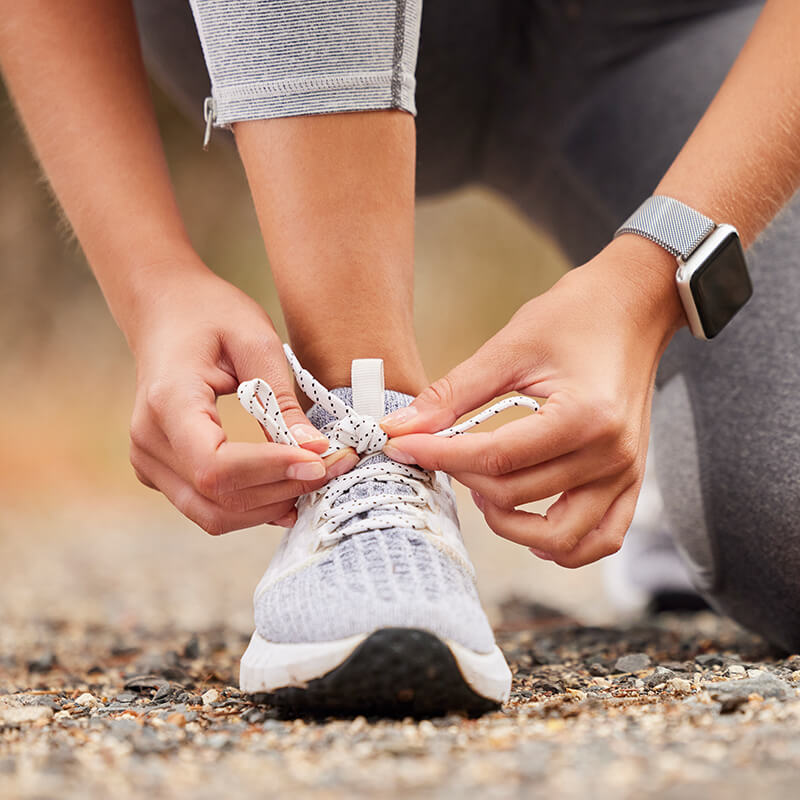
If your job entails standing for many hours, take a pair of roomy shoes or sandals that will allow your feet to swell without distortion. When buying winter shoes, remember that you could be wearing them with thicker socks or tights so allow extra room.
Senior’s Feet
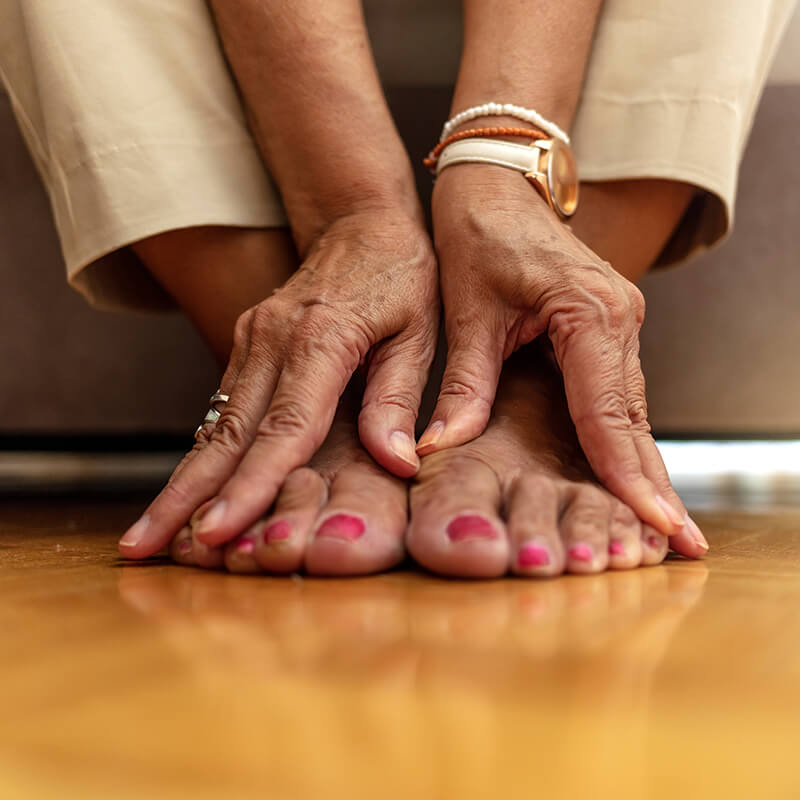
Misshapen feet in senior age are not inevitable but years of mistreatment and neglect will naturally result in feet that are not in great shape. It is never too late to care for your feet and in senior age when your feet are less supple, well-fitting shoes with plenty of support are even more essential.
Your favorite pair of shoes are not necessarily the best ones, especially if they are well worn. The danger is that without realising it, you gradually alter the way you walk to compensate for the wear.